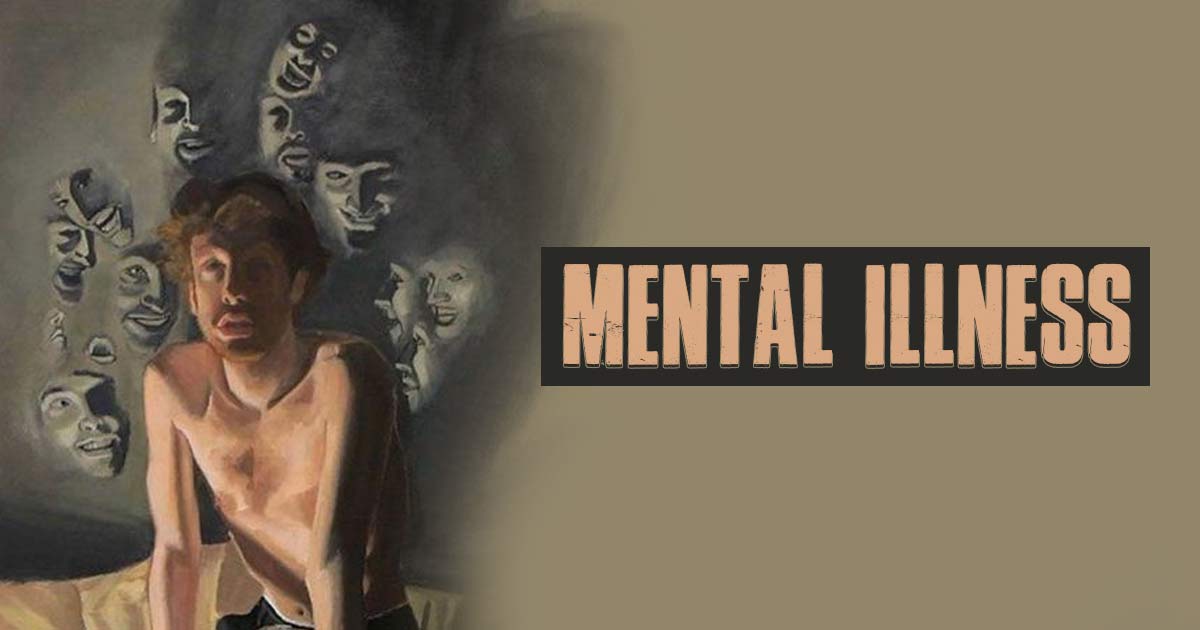
Mental health symptoms are often the most visible part of a much deeper struggle. Anxiety may appear as constant worry. Depression may look like withdrawal or a loss of motivation. Trauma can show up as fear, irritability, or difficulty trusting others. When addiction is also present, these symptoms can become even harder to understand and manage. Looking beyond the symptoms can help individuals recognize what is really happening, identify appropriate treatment, and build a recovery plan that addresses the whole person. Understanding common mental disorders is not about putting a label on someone. It is about gaining insight, reducing shame, and finding a path toward healthier coping and lasting recovery.
Why Understanding Mental Health Matters in Recovery
A person cannot always explain why they feel overwhelmed, disconnected, restless, or emotionally exhausted. Without an understanding of what may be contributing to these experiences, it can be tempting to rely on unhealthy coping strategies.
For some people, alcohol or drugs become a way to temporarily escape anxiety, sadness, trauma, or emotional distress. Unfortunately, substance use can eventually worsen mental health symptoms and create additional challenges. This can form a cycle in which emotional pain contributes to substance use, while substance use increases emotional instability.
Understanding the connection between mental health and addiction can change how a person approaches recovery. Instead of asking only, “How do I stop using?” treatment can also explore important questions such as:
- What emotions am I trying to avoid?
- What situations trigger unhealthy coping?
- How have mental health symptoms affected my decisions?
- What support do I need to feel safe and stable?
- What healthier strategies can replace substance use?
These questions can lead to more meaningful and individualized care.
Recognizing Common Mental Disorders
Common mental disorders can affect thoughts, emotions, behaviors, relationships, and everyday functioning. Symptoms vary from person to person, so professional assessment is important. Still, understanding common patterns can make it easier to recognize when support may be needed.
Anxiety Disorders
Anxiety involves more than occasional nervousness. Persistent worry, panic, restlessness, physical tension, difficulty concentrating, sleep problems, and avoidance can interfere with everyday life.
Someone with significant anxiety may begin avoiding social situations, work responsibilities, travel, appointments, or other activities because they fear becoming overwhelmed.
Understanding that these behaviors may be connected to anxiety can replace judgment with compassion. Treatment can then focus on identifying triggers, managing anxious thoughts, and developing healthier responses to stress.
Depression
Depression can affect far more than mood. It may involve persistent sadness, hopelessness, fatigue, changes in sleep or appetite, difficulty concentrating, loss of interest, and social withdrawal.
From the outside, depression may look like someone has stopped caring. In reality, the person may be struggling to find the energy or emotional capacity to participate in everyday life.
Recognizing depression as a legitimate mental health concern can encourage individuals to seek professional support rather than blaming themselves for a lack of motivation.
Bipolar Disorder
Bipolar disorder involves significant changes in mood, energy, activity, and behavior. Episodes of depression may occur alongside periods of unusually elevated or irritable mood.
These changes can affect relationships, employment, finances, sleep, and decision making. Professional assessment is important because treatment needs to reflect the individual’s symptoms and circumstances.
Understanding the condition can also help individuals and families recognize patterns and respond more effectively.
Trauma Related Disorders
Trauma can continue affecting a person long after an event has ended. Intrusive memories, nightmares, avoidance, emotional numbness, heightened alertness, anxiety, and difficulty trusting others may occur.
Trauma informed care recognizes that certain behaviors may be connected to a person’s efforts to feel safe. Rather than focusing only on the behavior, treatment can explore the experiences and emotional responses underneath it.
Obsessive Compulsive Disorder
Obsessive compulsive disorder can involve unwanted, intrusive thoughts and repetitive behaviors or mental rituals intended to reduce distress.
These symptoms can consume significant time and interfere with relationships, work, and everyday activities. Understanding the difference between ordinary worries and persistent obsessive compulsive patterns can help individuals seek appropriate professional evaluation.
Looking Beyond the Symptoms
Symptoms provide useful information, but they rarely tell the entire story.
Two people may experience depression for very different reasons. One person may be dealing with unresolved trauma, while another may be facing isolation, chronic stress, substance use, grief, or other circumstances.
That is why effective mental health treatment should look beyond a diagnosis or list of symptoms.
Exploring Underlying Factors
A comprehensive assessment may consider:
- Personal and family history
- Previous traumatic experiences
- Substance use
- Physical health
- Relationships
- Daily stressors
- Sleep and lifestyle habits
- Personal values and beliefs
- Recovery goals
This broader perspective can help treatment professionals understand what may be contributing to a person’s difficulties and identify appropriate strategies.
How Mental Health Understanding Supports Addiction Recovery
Addiction recovery becomes more sustainable when individuals understand the emotional patterns connected to substance use.
Someone might drink after a stressful day because alcohol temporarily reduces anxiety. Another person may use drugs to escape painful memories. Someone experiencing depression may use substances because they temporarily create energy or emotional relief.
The relief may feel real in the moment, but it often does not address the underlying concern.
Breaking the Cycle
Integrated treatment can address mental health and substance use together. This approach may include therapy, addiction counseling, psychiatric support, behavioral strategies, relapse prevention, and wellness planning, depending on the individual’s needs.
The goal is not simply to remove substances from someone’s life. It is also to help the person develop healthier ways to manage the emotions and circumstances that previously contributed to substance use.
Choosing the Right Level of Care
Understanding a mental health disorder is an important beginning, but treatment also needs to match the person’s current needs.
Inpatient Care
Inpatient treatment provides a structured environment with intensive professional support. It may be appropriate when mental health symptoms or addiction concerns are severe, when safety is a concern, or when someone needs greater stability and distance from everyday triggers.
A structured environment can give individuals time to focus on stabilization, therapy, recovery planning, and healthier coping skills.
Outpatient Care
Outpatient treatment allows individuals to receive professional support while continuing to live at home and manage responsibilities such as work, education, or family life.
For people who are stable enough to participate without residential supervision, outpatient care can provide ongoing accountability while allowing them to practice recovery skills in everyday situations.
The appropriate level of care should be determined with qualified professionals based on individual circumstances.
Why Individualized Treatment Leads to Better Recovery
A diagnosis is useful information, but it does not describe everything about a person.
People with the same mental health disorder can have very different histories, symptoms, strengths, relationships, beliefs, and recovery goals. Therefore, treatment should be personalized rather than based solely on a diagnosis.
Treating the Whole Person
Individualized care can consider mental health symptoms alongside addiction, trauma, physical wellbeing, family relationships, lifestyle, personal values, and spirituality.
This approach allows treatment professionals to develop strategies that are more relevant to the person’s actual life.
It also gives clients a greater opportunity to participate in decisions about their recovery.
The Role of Holistic Care
Mental health recovery involves more than symptom reduction. Physical health, emotional wellbeing, relationships, purpose, and spiritual beliefs can all influence how someone experiences recovery.
Building Healthy Daily Habits
Sleep, nutrition, physical activity, relaxation, mindfulness, meaningful activities, and supportive relationships can complement professional treatment.
These habits should not replace clinical care. Instead, they can provide additional tools for managing stress and strengthening resilience.
Finding Meaning Through Faith
For individuals who value spirituality, faith based support can provide comfort, purpose, hope, and connection. When spirituality is important to a client, it can be incorporated into recovery in a way that respects personal beliefs and preferences.
This can be particularly meaningful during periods when recovery feels difficult or uncertain.
Practical Ways to Understand Your Own Mental Health
Understanding common mental disorders does not require becoming an expert. A few practical steps can help individuals become more aware of their mental and emotional wellbeing.
Pay Attention to Patterns
Notice when symptoms appear and what circumstances surround them. Consider keeping track of changes in mood, sleep, substance use, stress, relationships, and daily functioning.
Patterns can provide useful information to discuss with a treatment professional.
Learn Your Triggers
Triggers can include stressful relationships, memories, environments, conflict, loneliness, exhaustion, or certain social situations.
Knowing your triggers does not mean you can avoid every difficult experience. It means you can prepare healthier responses.
Identify Healthy Alternatives
When you recognize an urge to use substances or withdraw from others, have alternatives available.
Depending on your circumstances, this might include calling someone you trust, taking a walk, practicing relaxation techniques, writing down your thoughts, attending a support meeting, or speaking with your treatment provider.
Ask for Professional Guidance
Self awareness is valuable, but it should not replace professional assessment. If symptoms persist or interfere with daily life, speaking with a qualified mental health professional can provide clarity and direction.
Families Can Benefit From Understanding Mental Health Too
Mental health disorders affect more than the person experiencing symptoms. Families and loved ones may feel confused, worried, frustrated, or helpless.
Understanding a disorder can help families respond with greater compassion.
Instead of viewing withdrawal as rejection or substance use as simply poor decision making, loved ones can begin asking what may be happening underneath the behavior.
Support Without Taking Over
Families can offer encouragement while respecting the individual’s autonomy. Listening without judgment, helping someone find professional resources, and maintaining healthy boundaries can all be valuable.
Recovery is ultimately the individual’s journey, but supportive relationships can make that journey less isolating.
Recovery Is More Than Managing Symptoms
A meaningful recovery is not defined solely by the absence of anxiety, depression, cravings, or other symptoms. It can also involve rebuilding trust, developing confidence, reconnecting with loved ones, returning to work or school, finding purpose, and learning to handle difficult experiences in healthier ways.
There may be setbacks. There may be periods when symptoms return or additional treatment is needed. These experiences do not erase previous progress.
Adjusting a treatment plan can be part of responsible, long term recovery.
Conclusion: Understanding Can Open the Door to Healing
Looking beyond the symptoms can change the way mental health and addiction are understood. Anxiety, depression, bipolar disorder, trauma related conditions, and other common mental disorders are not simply collections of behaviors to eliminate. They are complex health concerns that can affect thoughts, emotions, relationships, physical wellbeing, and daily life.
When individuals understand what may be happening beneath the surface, they can begin making informed decisions about treatment. When mental health and addiction occur together, addressing both concerns can provide a stronger foundation for recovery.
Compassionate, individualized care can help people move beyond simply managing symptoms. Inpatient and outpatient treatment, integrated addiction recovery services, holistic approaches, and faith based support can each have an important role when they are appropriate for the individual.
If you or someone you love is struggling, reaching out for professional support can be the first step toward understanding what is happening and deciding what comes next. You do not have to solve everything at once. Recovery begins with understanding, continues through support and treatment, and can ultimately lead toward a healthier and more purposeful life.