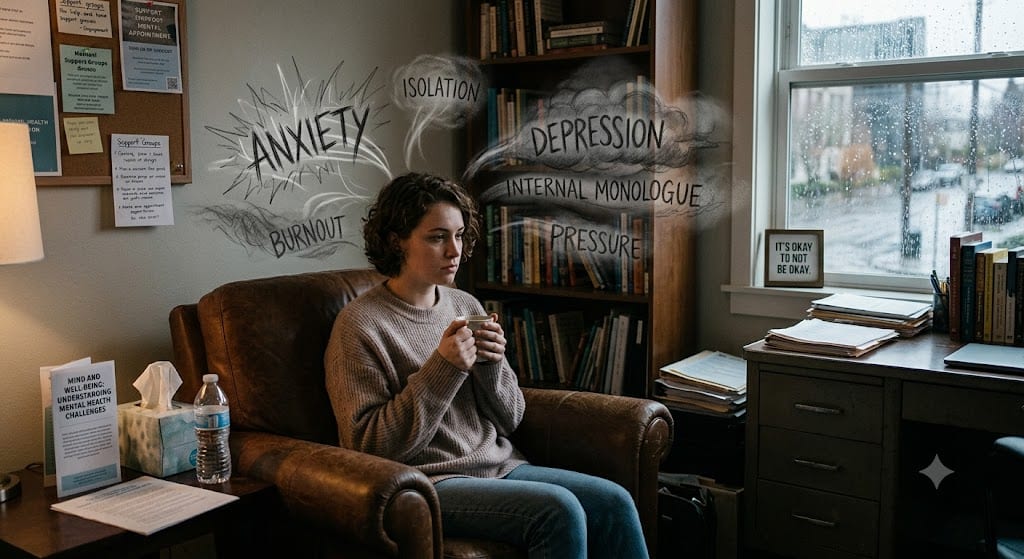
Mental health disorders and substance use disorders often go hand in hand, creating challenges that can feel overwhelming without the right support. Many people living with anxiety, depression, trauma, or other mental health conditions turn to alcohol or drugs in an attempt to ease emotional pain. Although this may provide temporary relief, it often leads to a cycle that worsens both conditions over time. Breaking that cycle requires more than treating addiction alone. It requires a comprehensive approach that addresses mental health and substance use together. At WebDesign-Ekinoxe, we believe lasting recovery begins with compassionate, individualized care that treats the whole person through integrated mental health services, addiction recovery programs, inpatient and outpatient care, and holistic, faith based support.
Understanding the Link Between Mental Health and Addiction
Mental health disorders and addiction frequently occur together. This is known as a co occurring disorder or dual diagnosis. These conditions influence one another, making recovery more complex when only one issue is addressed.
For example, someone living with chronic anxiety may begin using alcohol to feel calmer in social situations. A person experiencing depression may misuse prescription medications or illicit substances to escape feelings of sadness or hopelessness. Over time, substance use changes brain function, increases emotional instability, and often intensifies the original mental health condition.
Treating both conditions at the same time gives individuals the greatest opportunity for meaningful and lasting recovery.
Common Mental Disorders That Often Accompany Addiction
Anxiety Disorders
Anxiety disorders involve excessive worry, fear, or nervousness that interferes with daily life. Individuals may experience racing thoughts, panic attacks, muscle tension, irritability, or difficulty sleeping.
Without healthy coping strategies, anxiety can contribute to substance use as people search for temporary relief from constant emotional distress.
Depression
Depression affects mood, motivation, energy, and overall outlook on life. Symptoms often include persistent sadness, fatigue, feelings of worthlessness, and loss of interest in activities that once brought enjoyment.
Depression can increase the risk of addiction because substances may appear to offer temporary comfort while ultimately worsening emotional wellbeing.
Bipolar Disorder
Bipolar disorder is characterized by significant shifts in mood, ranging from periods of elevated energy to episodes of depression. During manic periods, impulsive behavior may increase the likelihood of substance misuse. During depressive episodes, individuals may seek substances to cope with emotional pain.
Trauma Related Disorders
Unresolved trauma and post traumatic stress disorder can have a profound impact on mental health. Flashbacks, nightmares, emotional numbness, and heightened anxiety often make everyday life difficult.
Trauma informed treatment helps individuals safely process painful experiences while developing healthier ways to manage emotions without relying on substances.
Why Integrated Treatment Is Essential
Treating addiction without addressing mental health symptoms often leaves the underlying causes of substance use unresolved. Likewise, treating mental health alone without addressing addiction can limit long term progress.
A Personalized Treatment Plan
Every person’s recovery journey is different. Individualized treatment plans consider mental health history, substance use patterns, physical health, family dynamics, and personal recovery goals. This personalized approach allows care to evolve as healing progresses.
Addressing the Root Causes
Integrated treatment helps identify the emotional, psychological, and environmental factors contributing to both addiction and mental health challenges. Rather than focusing only on symptoms, treatment supports long term healing by addressing the whole person.
Treatment Options That Support Recovery
Inpatient Care
Inpatient treatment provides a structured, supportive environment where individuals can focus completely on recovery. Around the clock clinical support, therapy, and medical supervision create a safe space for stabilization and healing.
For individuals experiencing severe mental health symptoms or substance dependence, inpatient care often provides the intensive support needed to begin recovery successfully.
Outpatient Programs
Outpatient treatment allows individuals to continue receiving professional care while maintaining responsibilities at work, school, or home. Therapy, counseling, relapse prevention education, and recovery support help reinforce healthy habits in everyday life.
Many people benefit from transitioning from inpatient treatment to outpatient care as they continue building confidence and independence.
The Role of Holistic and Faith Based Care
At WebDesign-Ekinoxe, recovery extends beyond treating symptoms. Holistic care recognizes the connection between emotional, physical, mental, and spiritual wellbeing.
Holistic Therapies
Mindfulness practices, stress management techniques, nutrition, wellness planning, physical activity, and creative therapies can strengthen emotional resilience and improve overall quality of life. These approaches help individuals develop practical coping skills that support long term recovery.
Faith Based Support
For individuals who value spirituality, faith based care offers encouragement, hope, and purpose throughout the healing process. Spiritual growth can become an important source of resilience while navigating the challenges of recovery.
Building Emotional Stability for Long Term Recovery
Recovery is an ongoing journey rather than a single event. Emotional stability develops through consistent treatment, healthy routines, supportive relationships, and continued self awareness.
As individuals learn healthier ways to respond to stress, manage emotions, and process difficult experiences, they become better equipped to maintain sobriety and improve their mental wellbeing.
Conclusion
Common mental disorders and addiction are deeply connected, but they are also highly treatable when addressed together. Anxiety, depression, bipolar disorder, trauma related conditions, and substance use disorders all deserve compassionate, comprehensive care that focuses on lasting healing rather than temporary relief.
At WebDesign-Ekinoxe, we are committed to helping individuals overcome both mental health challenges and addiction through personalized treatment plans, inpatient and outpatient programs, holistic therapies, and faith based support. If you or someone you love is struggling with co occurring disorders, reaching out today can be the beginning of a healthier future. Recovery is possible, and the right support can make all the difference.
 There are moments when emotional struggles feel too heavy to carry alone. What may begin as occasional stress, sadness, or worry can gradually grow into something that affects every part of daily life. For many individuals, these experiences are connected to common mental health disorders that require professional care and support. The good news is that mental health conditions are treatable, and recovery is possible. At WebDesign-Ekinoxe, we understand the complex relationship between mental health and addiction, which is why we provide individualized treatment, holistic therapies, inpatient and outpatient programs, and compassionate support designed to help people reclaim their wellbeing.
 Mental health challenges can affect anyone, regardless of age, background, or life circumstances. Common mental disorders such as anxiety, depression, bipolar disorder, and trauma related conditions can influence emotions, behaviors, relationships, and overall quality of life. For many individuals, these challenges may also contribute to substance use as a way of coping with difficult emotions. Understanding the symptoms and causes of mental health disorders is an important first step toward finding effective treatment and beginning a path to recovery. At WebDesign-Ekinoxe, we provide compassionate, individualized care that combines mental health treatment, addiction recovery services, inpatient and outpatient programs, and holistic support to help individuals heal and move forward.
 Mental health challenges affect people from all walks of life, yet no two individuals experience them in exactly the same way. Conditions such as anxiety, depression, bipolar disorder, and post traumatic stress disorder can impact emotions, relationships, physical health, and overall quality of life. For many individuals, these challenges may also occur alongside substance use disorders, creating additional barriers to recovery. That is why effective treatment goes beyond symptom management. It requires compassionate, individualized care that addresses the unique needs, experiences, and goals of each person. At WebDesign-Ekinoxe, we believe that lasting healing is possible when mental health treatment, addiction recovery services, holistic therapies, and personalized support come together to treat the whole person.