From Anxiety to Depression: Understanding the Most Common Mental Health Conditions Today

Mental health conditions such as anxiety, depression, bipolar disorder, and trauma related disorders are among the most common challenges people face today. While each condition has its own symptoms and impact, they often overlap and influence one another, especially when substance use is involved. Understanding these conditions is essential for early intervention, effective treatment, and long term recovery. At WebDesign-Ekinoxe, we provide compassionate, individualized care that integrates mental health treatment, addiction recovery services, inpatient and outpatient programs, and holistic support to help individuals achieve lasting emotional stability and wellbeing.

Understanding Anxiety Disorders

Anxiety disorders are characterized by persistent worry, fear, or nervousness that interferes with daily life. While occasional anxiety is a normal response to stress, chronic anxiety can become overwhelming and disruptive.

Common Symptoms of Anxiety

Individuals experiencing anxiety may notice racing thoughts, difficulty concentrating, irritability, muscle tension, or sleep disturbances. Physical symptoms such as rapid heartbeat or shortness of breath are also common.

How Anxiety Affects Daily Life

Anxiety can impact relationships, work performance, and social interactions. Many individuals begin avoiding situations that trigger fear or stress, which can lead to isolation and emotional distress. Without treatment, anxiety may also increase the risk of substance use as a coping mechanism.

Understanding Depression

Depression is more than sadness. It is a serious mental health condition that affects mood, energy, and motivation. It can develop gradually or be triggered by life events, trauma, or prolonged stress.

Common Symptoms of Depression

Symptoms include persistent sadness, loss of interest in activities, fatigue, changes in sleep or appetite, and feelings of hopelessness. In severe cases, individuals may struggle with self worth and daily functioning.

The Hidden Impact of Depression

Depression can quietly affect all areas of life, making even simple tasks feel overwhelming. It often coexists with anxiety and substance use disorders, which is why integrated treatment is essential for recovery.

Other Common Mental Health Conditions

Bipolar Disorder

Bipolar disorder involves extreme mood shifts, including periods of high energy and impulsivity followed by deep depressive episodes. These fluctuations can significantly impact decision making and emotional stability if not properly managed.

Trauma Related Disorders

Trauma and post traumatic stress disorder can develop after experiencing or witnessing distressing events. Symptoms may include flashbacks, emotional numbness, and heightened anxiety. Trauma informed care is essential for safe and effective recovery.

The Connection Between Mental Health and Addiction

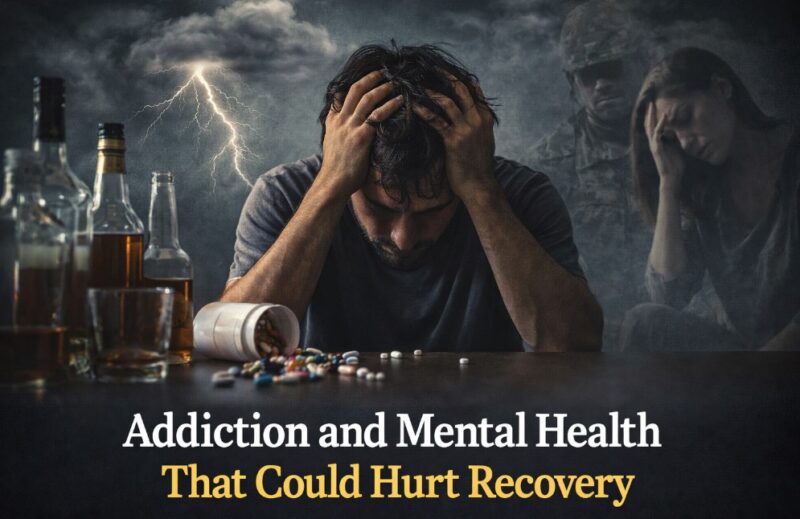
Mental health conditions and addiction often occur together. Many individuals turn to substances to manage emotional pain, stress, or trauma. While this may provide temporary relief, it ultimately worsens mental health symptoms and creates a cycle that is difficult to break without professional support.

Integrated treatment is essential because it addresses both conditions at the same time, improving recovery outcomes and reducing relapse risk.

Treatment Options for Recovery

Inpatient Care for Intensive Support

Inpatient treatment provides a structured and supportive environment for individuals experiencing severe symptoms or co occurring disorders. With 24 hour care, therapy, and medical supervision, individuals can focus entirely on stabilization and recovery.

Outpatient Care for Flexible Healing

Outpatient programs allow individuals to continue daily responsibilities while receiving regular therapy and support. This approach is ideal for mild to moderate symptoms or as a continuation of care after inpatient treatment.

Holistic and Faith Based Support

At WebDesign-Ekinoxe, we believe recovery involves the whole person. Holistic approaches such as mindfulness, wellness planning, and creative expression help improve emotional regulation and reduce stress. Faith based support provides additional encouragement, purpose, and resilience for those seeking spiritual guidance in their recovery journey.

Why Early Treatment Matters

Early intervention significantly improves recovery outcomes. When mental health conditions are addressed early, individuals are more likely to regain stability, maintain relationships, and avoid complications such as substance use or worsening symptoms.

Conclusion

From anxiety to depression and beyond, common mental health conditions can deeply affect daily life, but they are treatable with the right care and support. Understanding these conditions is the first step toward healing and long term recovery.

At WebDesign-Ekinoxe, we provide compassionate, individualized treatment through mental health services, addiction recovery programs, inpatient and outpatient care, and holistic support designed to treat the whole person. If you or a loved one is struggling with mental health challenges, reaching out for help today can make a lasting difference. Support is available, and recovery begins with understanding and action.
Signs of Common Mental Disorders You Should Never Ignore: A Guide for Early Support

Mental health conditions often develop gradually, with early signs that are easy to overlook or dismiss as stress, fatigue, or temporary emotional struggles. However, recognizing these warning signs early can make a significant difference in recovery outcomes, especially when mental health challenges overlap with substance use. Anxiety, depression, bipolar disorder, and trauma related conditions are common mental disorders that require timely attention and compassionate care. At WebDesign-Ekinoxe, we provide individualized treatment that integrates mental health services, addiction recovery support, inpatient and outpatient care, and holistic approaches to help individuals regain stability and long term wellbeing.

Why Early Recognition of Mental Disorders Matters

Early identification of mental health symptoms is one of the most important steps in preventing long term emotional distress and addiction related complications. When symptoms are addressed early, individuals are more likely to respond well to treatment and avoid worsening conditions.

Without support, mental health challenges can progress, affecting relationships, work performance, physical health, and emotional stability. In many cases, untreated symptoms may also increase the risk of substance use as a coping mechanism.

Emotional Signs You Should Never Ignore

Persistent Sadness or Hopelessness

Ongoing sadness that does not improve over time may be a sign of depression. This feeling often includes loss of interest in daily activities, lack of motivation, and emotional numbness. When these symptoms persist, professional support is essential.

Excessive Worry or Fear

Constant worry, fear, or panic that interferes with daily life may indicate an anxiety disorder. Individuals may feel overwhelmed by thoughts they cannot control, leading to physical symptoms such as restlessness, fatigue, or difficulty sleeping.

Extreme Mood Changes

Sudden shifts in mood, energy, or behavior may be linked to bipolar disorder or other mood related conditions. These changes can affect decision making, relationships, and emotional stability if left untreated.

Behavioral Signs That Require Attention

Withdrawal from Family and Social Activities

One of the most noticeable signs of mental health struggles is isolation. Individuals may avoid social interactions, lose interest in hobbies, or distance themselves from loved ones.

Changes in Daily Functioning

Difficulty maintaining responsibilities at work, school, or home can signal underlying mental health concerns. Tasks that once felt simple may become overwhelming or unmanageable.

Increased Substance Use

Using drugs or alcohol to cope with emotions is a common sign of co occurring mental health and addiction issues. This pattern often leads to dependency and worsens emotional distress over time.

Physical Symptoms Linked to Mental Health Disorders

Sleep Disturbances

Insomnia, oversleeping, or disrupted sleep patterns are often linked to anxiety and depression. Sleep problems can further affect mood, energy, and cognitive function.

Unexplained Fatigue or Body Aches

Mental health conditions can manifest physically through fatigue, headaches, or muscle tension. These symptoms are often overlooked but can indicate deeper emotional distress.

When to Seek Professional Help

It is important to seek help when symptoms begin to interfere with daily life, relationships, or emotional wellbeing. Early intervention improves treatment outcomes and reduces the risk of long term complications.

Treatment Options That Support Recovery

Inpatient Care for Intensive Support

Inpatient programs provide structured, 24 hour care for individuals experiencing severe symptoms or co occurring addiction. This environment offers safety, stability, and comprehensive treatment including therapy and medical support.

Outpatient Care for Ongoing Healing

Outpatient treatment allows individuals to continue their daily responsibilities while receiving regular therapy and support. This flexible approach helps reinforce coping skills in real world situations.

Holistic and Faith Based Approaches

At WebDesign-Ekinoxe, we believe recovery involves the whole person. Holistic care such as mindfulness, wellness planning, and creative therapies helps improve emotional balance and resilience. Faith based support provides additional strength, hope, and purpose for individuals who value spiritual guidance in their recovery journey.

The Importance of Early Support

Early support can prevent mental health conditions from worsening and reduce the likelihood of substance use as a coping strategy. With the right care, individuals can regain emotional stability, rebuild relationships, and improve overall quality of life.

Conclusion

Recognizing the signs of common mental disorders early is a powerful step toward healing. These symptoms should never be ignored, as timely intervention can significantly improve recovery outcomes.

At WebDesign-Ekinoxe, we provide compassionate and individualized care through mental health treatment, addiction recovery services, inpatient and outpatient programs, and holistic support. If you or a loved one are experiencing any of these warning signs, reaching out for help can make all the difference. Support is available, and recovery begins with early action and the right guidance.

How Common Mental Disorders Impact Addiction Recovery and Emotional Stability

Common mental disorders such as anxiety, depression, bipolar disorder, and trauma related conditions play a major role in how individuals experience addiction and recovery. When mental health challenges are present alongside substance use, recovery becomes more complex, emotional stability can feel harder to maintain, and relapse risk may increase without proper support. Understanding this connection is essential for building a strong foundation for long term healing. At WebDesign-Ekinoxe, we provide compassionate, individualized care that integrates mental health treatment, addiction recovery services, inpatient and outpatient programs, and holistic support to help individuals achieve lasting stability.

The Connection Between Mental Health and Addiction

Mental health disorders and addiction often develop together in a cycle that reinforces both conditions. Many individuals begin using substances as a way to cope with emotional pain, stress, or unresolved trauma. Over time, substance use can worsen mental health symptoms, creating a cycle that is difficult to break without professional help.

This overlap is known as co-occurring disorders, and it requires integrated treatment that addresses both conditions at the same time. Without this approach, individuals may experience repeated setbacks in recovery.

How Anxiety Affects Recovery and Emotional Stability

Heightened Stress Response

Anxiety disorders create a constant sense of worry, tension, or fear. In recovery, this heightened stress response can make it difficult to focus, sleep, or engage in treatment. It may also increase cravings as individuals seek relief from emotional discomfort.

Avoidance and Isolation

People experiencing anxiety may withdraw from social situations or avoid support systems. This isolation can weaken recovery progress and reduce accountability, making emotional stability harder to maintain.

How Depression Influences Addiction Recovery

Loss of Motivation

Depression often leads to fatigue, low motivation, and loss of interest in daily activities. During recovery, this can make it difficult for individuals to stay engaged in therapy, follow routines, or maintain self care practices.

Emotional Numbness and Relapse Risk

Depression can also create feelings of hopelessness or emotional numbness. These feelings may increase the temptation to return to substance use as a way of coping, especially without proper mental health support.

How Bipolar Disorder Impacts Recovery Stability

Mood Fluctuations

Bipolar disorder is characterized by cycles of high energy and depressive episodes. These shifts can make recovery unpredictable, especially if not properly managed with treatment and support.

Impulsive Behavior

During manic phases, individuals may engage in impulsive behaviors that increase relapse risk. Structured treatment and consistent monitoring help reduce these risks and promote emotional balance.

Trauma and Its Role in Addiction

Unresolved Emotional Pain

Trauma related disorders, including post traumatic stress disorder, often play a major role in addiction. Individuals may use substances to cope with flashbacks, emotional distress, or anxiety triggered by past experiences.

Need for Trauma Informed Care

Healing requires a safe and supportive environment where individuals can process trauma without judgment. Trauma informed care is essential for building trust, emotional stability, and long term recovery success.

Integrated Treatment for Better Outcomes

Inpatient Care for Stabilization

Inpatient treatment provides structured, 24 hour support for individuals experiencing severe mental health symptoms or co-occurring addiction. This environment allows for stabilization, intensive therapy, and medical supervision.

Outpatient Care for Continued Recovery

Outpatient programs provide flexibility for individuals who need ongoing treatment while maintaining daily responsibilities. Regular therapy sessions and support groups help reinforce coping strategies in real life settings.

Holistic and Faith Based Support

At WebDesign-Ekinoxe, we believe recovery involves the whole person. Holistic approaches such as mindfulness, wellness planning, and creative therapies help improve emotional regulation and reduce stress. Faith based support offers additional strength, hope, and purpose for those who value spiritual guidance in their recovery journey.

Building Long Term Emotional Stability

Emotional stability in recovery is built through consistency, support, and healthy coping strategies. This includes developing routines, strengthening support systems, and addressing both mental health and addiction together. With the right care, individuals can regain control over their emotions and rebuild their lives.

Conclusion

Common mental disorders have a significant impact on addiction recovery and emotional stability, but they do not have to define the outcome. With integrated treatment, compassionate support, and personalized care, individuals can achieve lasting healing and balance.

At WebDesign-Ekinoxe, we provide comprehensive mental health and addiction recovery services through inpatient and outpatient care, holistic therapies, and faith based support. If you or someone you love is struggling with co-occurring challenges, reaching out for help is the first step toward recovery. Support is available, and healing begins with the right

Understanding Common Mental Disorders: What They Are and How Treatment Can Help

Mental health challenges affect millions of individuals and families, yet many people still struggle to understand what common mental disorders really are or how treatment can help. Conditions such as anxiety, depression, bipolar disorder, and trauma related disorders are medical conditions, not personal weaknesses. When left untreated, they can significantly impact daily life and often contribute to substance use as a way of coping. At WebDesign-Ekinoxe, we provide compassionate, individualized care that integrates mental health treatment, addiction recovery services, inpatient and outpatient programs, and holistic support to help individuals achieve lasting stability and wellbeing.

What Are Common Mental Disorders?

Common mental disorders are conditions that affect mood, thinking, behavior, and emotional regulation. They can range from mild to severe and may develop gradually over time or appear after stressful or traumatic events.

These conditions often interfere with daily functioning, relationships, and overall quality of life. Understanding them is the first step toward seeking appropriate care and improving long term outcomes.

Most Common Types of Mental Disorders

Anxiety Disorders

Anxiety disorders involve persistent worry, fear, or tension that is difficult to control. Symptoms may include restlessness, racing thoughts, difficulty concentrating, and physical signs such as increased heart rate or sleep disturbances.

Anxiety can also increase vulnerability to substance use as individuals attempt to self medicate overwhelming feelings. Early treatment is essential to prevent symptoms from escalating.

Depression

Depression is characterized by ongoing sadness, loss of interest in activities, fatigue, and changes in sleep or appetite. It can affect motivation, self esteem, and the ability to manage daily responsibilities.

Without treatment, depression may worsen over time and increase the risk of addiction as individuals search for temporary relief from emotional pain.

Bipolar Disorder

Bipolar disorder involves significant shifts in mood, energy, and activity levels. Individuals may experience periods of elevated mood and impulsivity followed by episodes of deep depression.

Effective treatment often requires a combination of medication management, therapy, and structured support to maintain emotional balance and stability.

Post Traumatic Stress Disorder

Post traumatic stress disorder, or PTSD, can develop after experiencing or witnessing trauma. Symptoms may include flashbacks, nightmares, emotional numbness, and heightened anxiety.

Trauma informed care is essential in helping individuals process experiences safely while supporting mental health and addiction recovery.

The Connection Between Mental Health and Addiction

Mental health disorders and substance use often occur together. Many individuals turn to drugs or alcohol to manage emotional distress, anxiety, or trauma. While this may provide temporary relief, it often leads to dependence and worsens mental health symptoms over time.

This is why integrated treatment is essential. Addressing both mental health and addiction at the same time improves recovery outcomes and reduces the risk of relapse.

Treatment Options That Support Recovery

Inpatient Care

Inpatient treatment provides a structured and supportive environment for individuals experiencing severe symptoms or co occurring disorders. With 24 hour care, therapy, and medical supervision, individuals can focus fully on stabilization and recovery.

Outpatient Care

Outpatient programs offer flexibility for individuals who need ongoing treatment while maintaining work, school, or family responsibilities. Regular therapy sessions and support groups help reinforce coping skills in everyday life.

Holistic and Faith Based Support

At WebDesign-Ekinoxe, we believe recovery involves the whole person. Holistic approaches such as mindfulness, wellness planning, and creative therapies help individuals build emotional resilience and reduce stress. Faith based support can also provide hope, meaning, and strength for those who value spiritual guidance in their recovery journey.

Why Early Treatment Matters

Early intervention significantly improves outcomes. When mental disorders are identified and treated early, individuals are more likely to recover, maintain stability, and avoid complications such as substance use or worsening symptoms.

Family support, awareness, and access to professional care all play important roles in encouraging early treatment and long term healing.

Conclusion

Understanding common mental disorders is a vital step toward healing and recovery. These conditions are manageable with the right combination of professional treatment, emotional support, and personalized care.

At WebDesign-Ekinoxe, we provide compassionate, individualized treatment that integrates mental health care, addiction recovery services, inpatient and outpatient programs, and holistic support. If you or a loved one is struggling with a mental health condition, reaching out for help can be life changing. Support is available, and recovery begins with understanding and action.

Mental Health and Addiction: Understanding Co-Occurring Disorders for Better Recovery

Mental health and addiction are closely connected, often influencing and intensifying one another in ways that can make recovery feel overwhelming without the right support. When someone experiences both a mental health disorder and a substance use disorder at the same time, it is known as a co-occurring disorder or dual diagnosis. Understanding this connection is essential for effective treatment and long-term recovery. At WebDesign-Ekinoxe, we provide compassionate, individualized care that integrates mental health treatment, addiction recovery services, inpatient and outpatient programs, and holistic support to help individuals rebuild stable and meaningful lives.

What Are Co-Occurring Disorders?

Co-occurring disorders occur when a person is living with both a mental health condition and a substance use disorder simultaneously. Common mental health conditions involved include anxiety, depression, bipolar disorder, and post-traumatic stress disorder.

These conditions often interact with addiction in complex ways. For some individuals, substances are used to cope with emotional distress. For others, prolonged substance use can trigger or worsen mental health symptoms. Because of this connection, treating only one condition is rarely effective. Integrated care is essential for true recovery.

How Mental Health and Addiction Influence Each Other

Self Medication and Emotional Pain

Many individuals turn to drugs or alcohol as a way to manage symptoms of anxiety, depression, or trauma. While this may provide temporary relief, it often leads to dependency and worsens underlying mental health conditions over time.

Substance Use and Worsening Symptoms

Substance use can alter brain chemistry, intensify mood swings, increase anxiety, and deepen depressive symptoms. This creates a cycle where mental health and addiction reinforce each other, making it difficult to break without professional support.

Increased Risk of Relapse

When mental health conditions are untreated, the risk of relapse increases significantly. Emotional distress can trigger cravings, while lack of coping skills can make it harder to maintain sobriety during stressful periods.

Recognizing the Signs of Co-Occurring Disorders

Early recognition plays a critical role in recovery. Some common signs include:

  • Persistent sadness, anxiety, or mood instability
  • Increased reliance on substances to cope with emotions
  • Difficulty maintaining relationships or responsibilities
  • Withdrawal from social activities
  • Changes in sleep, appetite, or energy levels
  • Repeated cycles of relapse

If these signs are present, it may indicate the need for integrated treatment that addresses both mental health and addiction simultaneously.

Integrated Treatment Approaches for Better Recovery

Inpatient Care for Stabilization

Inpatient treatment provides a structured and supportive environment where individuals can focus entirely on recovery. With 24 hour care, therapy, and medical supervision, inpatient programs help stabilize both mental health symptoms and substance use challenges.

Outpatient Care for Continued Support

Outpatient programs offer flexibility for individuals who need ongoing treatment while managing daily responsibilities. Regular therapy sessions, group support, and skill building help reinforce recovery in real world settings.

Holistic and Faith Based Support

At WebDesign-Ekinoxe, we believe recovery involves the whole person. Holistic approaches such as mindfulness, stress management, wellness planning, and creative therapies support emotional regulation and mental clarity. Faith based care can also provide hope, meaning, and spiritual strength for those who choose it as part of their healing journey.

Why Treating Both Conditions Together Matters

Treating mental health and addiction separately often leads to incomplete recovery. Integrated care addresses the root causes of both conditions, improves emotional stability, reduces relapse risk, and strengthens long-term recovery outcomes. It also helps individuals develop healthier coping strategies and rebuild confidence in daily life.

The Role of Support Systems in Recovery

Family, friends, and professional support networks play a vital role in healing. Encouragement, understanding, and education about co-occurring disorders help create a stable environment for recovery. When individuals feel supported, they are more likely to stay engaged in treatment and maintain long-term progress.

Conclusion

Co-occurring disorders present unique challenges, but recovery is absolutely possible with the right care. Understanding the connection between mental health and addiction is the first step toward effective treatment and lasting healing.

At WebDesign-Ekinoxe, we provide compassionate, personalized care through inpatient and outpatient programs, holistic therapies, and faith based support designed to treat the whole person. If you or a loved one is struggling with both mental health and substance use challenges, reaching out for help can change everything. Support is available, and recovery begins with integrated, compassionate care.