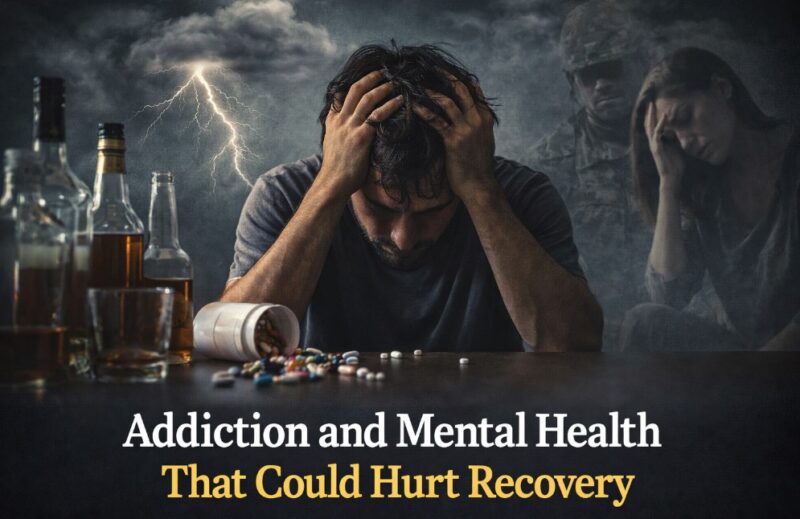
Common mental disorders such as anxiety, depression, bipolar disorder, and trauma related conditions play a major role in how individuals experience addiction and recovery. When mental health challenges are present alongside substance use, recovery becomes more complex, emotional stability can feel harder to maintain, and relapse risk may increase without proper support. Understanding this connection is essential for building a strong foundation for long term healing. At WebDesign-Ekinoxe, we provide compassionate, individualized care that integrates mental health treatment, addiction recovery services, inpatient and outpatient programs, and holistic support to help individuals achieve lasting stability.
The Connection Between Mental Health and Addiction
Mental health disorders and addiction often develop together in a cycle that reinforces both conditions. Many individuals begin using substances as a way to cope with emotional pain, stress, or unresolved trauma. Over time, substance use can worsen mental health symptoms, creating a cycle that is difficult to break without professional help.
This overlap is known as co-occurring disorders, and it requires integrated treatment that addresses both conditions at the same time. Without this approach, individuals may experience repeated setbacks in recovery.
How Anxiety Affects Recovery and Emotional Stability
Heightened Stress Response
Anxiety disorders create a constant sense of worry, tension, or fear. In recovery, this heightened stress response can make it difficult to focus, sleep, or engage in treatment. It may also increase cravings as individuals seek relief from emotional discomfort.
Avoidance and Isolation
People experiencing anxiety may withdraw from social situations or avoid support systems. This isolation can weaken recovery progress and reduce accountability, making emotional stability harder to maintain.
How Depression Influences Addiction Recovery
Loss of Motivation
Depression often leads to fatigue, low motivation, and loss of interest in daily activities. During recovery, this can make it difficult for individuals to stay engaged in therapy, follow routines, or maintain self care practices.
Emotional Numbness and Relapse Risk
Depression can also create feelings of hopelessness or emotional numbness. These feelings may increase the temptation to return to substance use as a way of coping, especially without proper mental health support.
How Bipolar Disorder Impacts Recovery Stability
Mood Fluctuations
Bipolar disorder is characterized by cycles of high energy and depressive episodes. These shifts can make recovery unpredictable, especially if not properly managed with treatment and support.
Impulsive Behavior
During manic phases, individuals may engage in impulsive behaviors that increase relapse risk. Structured treatment and consistent monitoring help reduce these risks and promote emotional balance.
Trauma and Its Role in Addiction
Unresolved Emotional Pain
Trauma related disorders, including post traumatic stress disorder, often play a major role in addiction. Individuals may use substances to cope with flashbacks, emotional distress, or anxiety triggered by past experiences.
Need for Trauma Informed Care
Healing requires a safe and supportive environment where individuals can process trauma without judgment. Trauma informed care is essential for building trust, emotional stability, and long term recovery success.
Integrated Treatment for Better Outcomes
Inpatient Care for Stabilization
Inpatient treatment provides structured, 24 hour support for individuals experiencing severe mental health symptoms or co-occurring addiction. This environment allows for stabilization, intensive therapy, and medical supervision.
Outpatient Care for Continued Recovery
Outpatient programs provide flexibility for individuals who need ongoing treatment while maintaining daily responsibilities. Regular therapy sessions and support groups help reinforce coping strategies in real life settings.
Holistic and Faith Based Support
At WebDesign-Ekinoxe, we believe recovery involves the whole person. Holistic approaches such as mindfulness, wellness planning, and creative therapies help improve emotional regulation and reduce stress. Faith based support offers additional strength, hope, and purpose for those who value spiritual guidance in their recovery journey.
Building Long Term Emotional Stability
Emotional stability in recovery is built through consistency, support, and healthy coping strategies. This includes developing routines, strengthening support systems, and addressing both mental health and addiction together. With the right care, individuals can regain control over their emotions and rebuild their lives.
Conclusion
Common mental disorders have a significant impact on addiction recovery and emotional stability, but they do not have to define the outcome. With integrated treatment, compassionate support, and personalized care, individuals can achieve lasting healing and balance.
At WebDesign-Ekinoxe, we provide comprehensive mental health and addiction recovery services through inpatient and outpatient care, holistic therapies, and faith based support. If you or someone you love is struggling with co-occurring challenges, reaching out for help is the first step toward recovery. Support is available, and healing begins with the right